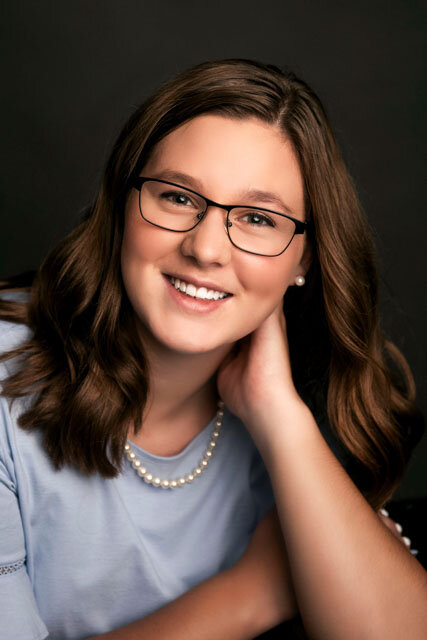
Carie Telgen: Common Ground

AABP President Dr. Carie Telgen, DVM Speaks at the 2021 NEAFA Annual Meeting

AABP President Dr. Carie Telgen, DVM Speaks at the 2021 NEAFA Annual Meeting

NEAFA’ August 31st Annual Meeting and Forum featured a number of topics and speakers focused on the theme: Resiliency. In this light, NEAFA was happy to welcome Dr. Carie Telgen, DVM, the President of the American Association of Bovine Practitioners (AABP) to speak about the common ground shared by the two organizations.

“It was an honor to be able to share how the AABP and the members of the NEAFA have much in common,” said Telgen. “As organizations that are driven and sustained by agriculture and the clients we serve, we need to continue to collaborate and use our mutual resources to ensure the success, viability and resiliency of agriculture in the Northeast as well as in the country as a whole.“

During Telgen’s talk, she described some of the history of AABP, which was formed in 1965 as a 501c6, and currently has a membership of more than 5,000 cattle veterinarians and students, throughout the world. According to Telgen, their mission is to “provide relevant continuing education to our members, advocate and be the voice of the bovine veterinarian, and to support the AABP Foundation which administers scholarship, education/extern grants, and clinically relevant research.” AABP’s 54th Annual Conference will be taking place October 7-9 in Salt Lake City, Utah, with the theme “Science with Practice.”

Telgen also presented some of the demographic and statistics about the organization’s various newsletters, podcasts, publications, guidelines, and membership numbers and gender demographics for example. She continued with some of the current challenges that the organization and its members are facing, which include veterinarian shortages in 221 areas throughout the US, causes behind mental health problems, suicide, and burnout, and some of the ramifications of recent legislation in Colorado, Oregon, NY and in the European Union.

NEAFA Joins NY Ag Community with Concerns over Announced Wage Hike

NEAFA recently joined with other agricultural organizations to urge NY Gov. Kathy Hochul to consider the minimum wage impact on NY Farms and Agribusinesses. Earlier this week the Department of Labor announced a seventy cent per hour minimum wage increase for upstate employers. To read the letter, click here.

NEAFA Bestows 2021 Awards to Richard and Steven Lutz, Bill Magee, and Larry Chase

Annualmeeting_04.jpg

NEAFA was proud to present longtime agricultural industry leaders Richard and Steven Lutz with their Distinguished Service Award (DSA) during the 2021 NEAFA Annual Meeting, held August 30th to September 1st in Verona, NY. The DSA is the highest accolade that the organization can give to recognize not only someone’s service to NEAFA, but to the entire agricultural industry throughout their career. Also recognized with the award posthumously was NY Assemblyman Bill Magee. In addition, Professor Larry Chase received special recognition for his work on two white papers on how the feed industry is addressing nitrogen and phosphorus levels in the feed stream.

Lutz Feed Company was founded in 1958 in Roxbury, NY by Richard and Marjorie Lutz. Their son Steven joined the business and helped build and operate their current Oneonta, NY feed and grain facility. More recently the third family generation (Blake) has joined the business and Blake has assumed most of the management responsibilities. The Lutz family have given much of their lives to the agricultural industry, their customers, and fellow feed dealers. It is our honor to recognize the hard work and dedication to growing the market for feed in New York and beyond.

“It was an absolute pleasure & honor to recognize the Lutz family & their legacy, for years of service to the feed manufacturing & livestock industry,” said NEAFA President Danielle Penney-Stroop. “The Lutz’s embody hard work, determination, ingenuity, while remaining steadfast and committed to their customers, from the backyard chicken and goats to our progressive dairy operations throughout NYS.   The Lutz family has a strong passion, core, and code of ethics that anyone can recognize after spending just a short time conversing with them; however what is more telling is how their competitors speak so highly of them & the respect they have earned in the industry.   I look forward to what lies ahead for this paramount feed manufacturer and the role they will play in maintaining a sustainable agribusiness in central NY.”

Former NYS Assembly Man Bill Magee served his constituents in Madison, Otsego, and Oneida counties for nearly 30 years, representing them in the state assembly from 1990 to 2018. As the chair of the Assembly’s Agriculture Committee, he always made sure to highlight the issues that New York’s agricultural industry faced, fighting to promote causes that would aid New York farmers in their work. Growing up in Madison County, Magee worked on his family’s dairy farm before beginning his pursuit of politics to help his fellow farmers and agribusiness owners. ““ Bill Magee’s personal and professional careers were always focused on serving and assisting the agriculture community”, Said Jenny Mills, NEAFA Vice President and former Magee staff intern. “Bill was particularly partial to the dairy industry which is a significant part of his former legislative district.” Magee passed away on Christmas Eve in 2020. NEAFA is humbled to present this posthumous honor to Magee after his lifelong effort to promote agriculture in New York.

Professor Emeritus Dr. Larry Chase received surprise recognition for going above and beyond the cause for his recent work to highlight the good news of how the feed industry has significantly contributed to reducing excess nitrogen and phosphorus nutrients from dairy farms throughout the Northeast. “The Northeast feed industry has been a great partner over the years in implementing new technologies and new ration formulation advances on dairy farms to improve sustainability and profitability”, said Chase. “At universities, we can develop new concepts, but the cooperation of the feed industry is critical to moving these into application on dairy farms. I have always found the Northeast feed industry to be receptive to utilizing and embracing new concepts. Personally, I highly value many personal relationships and interactions with feed industry personnel. They are a great group of individuals committed to the success of the customers.”

Congratulations to all awards recipients!

NEAFA Is Run By Those Who Show Up

Charlie Elrod, Ph.D.

President, Natural Biologics, Inc.

Board Member, Northeast Agribusiness and Feed Alliance

At the NEAFA Board of Directors’ and strategic planning meeting this summer, the five new board members were asked which (additional) committees they wanted to serve on. We also reviewed the results of the SWOT analysis which was sent to all NEAFA members back in May. Sadly, only 22 members took the time to respond to the SWOT analysis, the vast majority of those responding were current or former board members. The implication is that a very small minority of the NEAFA membership are setting the direction for everyone. The SWOT analysis respondents provided the data which informed those same people in their creation of a new strategic plan for NEAFA. Our organization would certainly benefit from more diverse input into the future of that same organization

Soon thereafter, we had a discussion of NEAFA member engagement, partly as a result of the low SWOT analysis participation. It struck me that one way to encourage better engagement could be to get more members involved in the various committees. I’m sure that at least one of the eight committees touches on a topic which impacts your business (Transportation, for instance) or is near and dear to your heart (Good Works) or does work which is vital for your workforce (Education). As a committee member, you can influence the objectives and direction of the committee and make sure that new ideas, knowledge and experience are represented.

Most of the committees have a conference call about once a quarter, so it’s not a huge time commitment. Importantly, the work done by the committees not only provides direction for the Board of Directors, but it is also the place where the work of NEAFA gets done. In order to have the most active, inclusive and relevant agribusiness organization in the Northeast, we need your participation! It’s easy to do, just email Sue VanAmburgh, sue@nysta.mobi and let her know which committee you’d like to work on. The committee chair will then follow up with you. Those committees are:

Agronomy Committee: The mission of this relatively new committee is to “produce, guide and disseminate information, on technologies, programs and research that will contribute to an economically, socially and environmentally viable industry for our members policy makers and the greater agricultural community”. The committee has focused on the development of the Phosphorus and Nitrogen White Papers, drafted by Larry Chase and Kristen Reed, in addition to providing a discussion platform for Dr. Reed’s RuFaS modeling project (Ruminant Farm Systems Model)

Bylaws Committee: This committee does the thoughtful work of assuring that our bylaws keep up with our ever growing and evolving organization. This is a great committee for those who like to think about big picture challenges and opportunities.

Communications: Provides guidance on the organization’s various communications strategies, programs and projects.


Conventions: Helps to plan for the NEAFA Annual Meeting and the Annual Golf for Good Works Tournament
.

Education: Guides the organization in serving our industry’s educational needs; plans the agenda for the annual Herd Health and Nutrition Conference
.

Finance: Reviews the Alliance’s financial information and helps to create the annual budget
.

Good Works: Has authority to make donations to worthy programs and causes that fit within the parameters of our Good Works Program.  (Proceeds from the annual golf tournament fund this program.)


Governmental Relations: Guides the organization on the public policy front; establishes the annual legislative priority list for Board approval; assists in advocating for issues impacting our industry.


Membership: Assists in membership growth and development of membership priorities.


Transportation: Provides guidance regarding the many transportation related issues impacting the industry.  Issues related to trucks and trains tend to be most prevalent.

2021 Golf for Good Works: Record Turnout

GFGW Chair John Clark presents team representative Patrick Rohe with the prizes for first place team.

GFGW Chair John Clark presents team representative Patrick Rohe with the prizes for first place team.

The Golf for Goodworks Tournament returned to the Turning Stone Resort’s Kaluhyat Golf Course for 2021. Kaluhyat offers 18 holes of PGA-level golf in a spectacular natural setting. The course was designed, was designed by Robert Trent Jones Jr. and ranked as one of the top 50 casino golf courses (#35) by Golfweek in 2021.

128 golfers participate in this year’s tournament. NEAFA would like to congratulate Patrick Rohe, Jaime Sprague, Tom Priest, and Kevin Sullivan on their first-place win. Thank you to all who participated in our largest event to date. Due to the Covid-19 Pandemic, the 2020 tournament was cancelled, and the 2021 event was postponed to the beginning of September.

"After more than a year of turmoil or uncertainty, it was wonderful to see the support of the agribusiness community that came together for the 2021 Golf For Goodworks Tournament,” said NEAFA Conventions Committee Chair Mark Anderson.

Proceeds from this event goes to support agricultural outreach and education programs. Previously NEAFA has supported the Northeast Regional Intercollegiate Dairy Challenge, Future Farmers of America Foundation, NYS 4-H Foundation's Junior Dairy Leader Program, the New York State Fair Dairy Cow Birthing Center, LEAD New York, Dairy Judging Teams in New York and New England, New York Farm Bureau’s Food & Farm Experience, Maine 4-H Foundation's Dairy Quiz Bowl, and the Growing Through Showing Program.

President’s Pen: Annual Meeting Wrap-Up

DaniellePenneyStroopHeadshot16.jpg

Wishing everyone a Happy Harvest season!! I would like to take a moment to thank everyone for attending and sponsoring this year’s Northeast Agribusiness and Feed Alliance’s Annual Meeting & Golf for Goodworks event, held August 30th – September 1st.

This year we delayed both our annual meeting (typically held in February) and Golf for Goodworks Tournament (held in June) for a combined event. Thank you to our 38 company sponsors for providing our membership and guests the opportunity to interact and have an exceptional meeting and fundraising event. We had 115 registered attendees at our meeting, and were joined on Monday nights reception by New York State Senator John Mannion; Colin Crowley, Chief of Staff to Senator John Mannion; and New York State Assemblyman Brian Miller. Thank you to David Grusenmayer, of NY Farm Viability Institute; and New York State Assemblyman John Lemondes for attending as guests to our annual meeting, it was a pleasure to have you. On the NEAFA website you can find presentation summaries from our outstanding speakers – Dr Carie Telgen, of AABP; Dr Chris Wolfe, of Cornell University; Kate Downes, of NY Farm Net; Gary Huddleston of AFIA; and our most amazing MC Matt Lohr. Thank you to Dr Larry Chase and Dr Tom Overton for moderating a fabulous climate change panel with Dr Jamie Jonker, of National Milk Producers Federation; Dr Mike VanAmburgh, of Cornell University; Dr Curt Gooch, of ProDairy & DMI; and our own Rick Zimmerman filling in for Jon Patterson, of Patterson Farms.

Congratulations to the following individuals – Dr Larry Chase, for his outstanding research and summary for the feed industry’s environmental stewardship award regarding his Nitrogen & Phosphorus white papers. Distinguished Service Awards were presented to the Lutz Family for their devotion & support of the livestock & feed ingredient industry. Additionally, NEAFA presented a Distinguished Service Award on behalf of the late Assemblyman Bill Magee, for all his numerous years supporting NYS agriculture. It was an excellent time to catch up with old friends and thank you all for a safe & fun event celebrating our industry.

Finally, to close out our multi-day combined event, we had 128 golfers participate in this year’s Golf for Goodworks tournament. Congratulations to the following players for their first-place win – Patrick Rohe; Jaime Sprague; Tom Priest; & Kevin Sullivan. Thank you to all who participated in our largest event to date!

At this year’s annual meeting, the board welcomed its five new board members – Alan Wright, of Purina Animal Nutrition, Dr Charlie Elrod, of Natural Biologics, Karl Bitz, of CNY Feeds, Kevin Kouri, of Phoenix Feeds, and Mike Thresher, of Morrison’s Custom Feeds.

One of the Board’s endeavors from this summer’s strategic planning session included revising our Mission Statement. At our board meeting on August 30thst, we unanimously approved the following Mission Statement: “The mission of the Northeast Agribusiness and Feed Alliance is to support and grow a sustainable agribusiness industry in the Northeast.”

We are continuing to work on initiatives from our July Strategic Meeting and will have updates over the course of the next few months as we look to our Vision and Values next. Please share any thoughts or concerns that you may have as a member of the organization. We want to hear from you, especially as we continue to redefine ourselves and provide services and initiatives that benefit our membership.

In closing, please do not forget that September is Hunger Action Month! I challenge all of you to please learn about the hunger issues present in your own communities, to commit to taking action in some form for your community, and to speak up and raise awareness or lend your voice to hunger issues in your community!

Membership in NEAFA - Providing Agribusinesses a Voice Where Needed

By Eric Jenks, Special to NEAFA

Meeting the needs of NEAFA’s membership is not a static target. Like many other industries throughout the Northeast, the feed industry and other agribusinesses face numerous challenges in staying competitive in a worldwide market. The agribusiness community also has the duty of ensuring interest in the industry, and providing support and guidance for the next generation, so they can build upon the work already in place, strengthening the future of northeast agriculture for all.

“It’s important that our members, and prospective members, are aware of the bigger topic areas that are out there from political and educational standpoints, to enhance their awareness of what the agricultural environment deals with on a day to day basis outside of what we do in our respective fields,” said Corwin Holtz of Holtz Nelson Dairy Consultants LLC. Holtz is also a member of the NEAFA board of directors, and chair of the Membership Committee. “Joining NEAFA eight years ago opened my eyes to the things happening in Albany, NY and Washington DC that impact Agriculture in the Northeast, that impacts our individual clients on a direct and personal basis, along with other issues on the big picture side. Getting involved with that was a big new thing for me, and I’m glad I did.”

For Holtz, joining NEAFA was a welcome unknown. “Quite honestly, I knew very little about NEAFA before I joined. It was a very new organization to me, but I’m very glad I was asked to join, and I’m very glad that I’ve been a part of it all these years. They had never had an independent nutrition/management in the group’s board, and it was something they wanted to incorporate. I knew several members of the organization through the daily work that I do, and I knew a few of the board members. I thought it wouldn’t be a bad idea to get involved in an agricultural organization like this, with people that I respected in the industry. I also thought that I could do a bit more work for the agricultural industry at large outside of my day-to-day work in the dairy industry.

Joining NEAFA has been so beneficial for Holtz, that he has encouraged others at his business to join as well, a perk that costs $100 per employee. “The more that we can get individual employees of companies exposed to what we do at NEAFA is going to benefit us all,” said Holtz. “They’re out working on the front lines with producers on a day in and day out basis. The knowledge base of what’s impacting their clients on a regional, national, and international scale is going to be a plus as they interact with clients.”

Currently, NEAFA is looking to expand membership into other related agribusinesses and industries related to agriculture. “We’re very broad based in the issues that we deal with,” said Holtz. “Yes, there is a lot of focus on dairy, but transportation issues and it's committee within the organization is very important. “We do a lot of lobbying and work for the transportation and trucking industry. We welcome potential new members from that area because we’re very involved in things that impact their businesses. We’ve also have a large focus on veterinary and banking institutions that have an agricultural loan focus. A lot of the things that we deal with from a policy and educational standpoint, they are impacting their clients, and a lot of their clients are my own as well. It’s all interconnected, and the more voices that we have as an organization, the more weight we can carry and have the type of impact that we need to have on policy. That political impact is going to affect all of the clients that we end up serving in one fashion or another. We need to broaden our membership. At the end of the day, we all have the same end clients. It’s the producers that are the heart and soul of agriculture here in the northeast. We all have a common bond from that standpoint - and if we’re not all working in the same manner and striving for the same things, then our clients can suffer. If our producers, for whatever reasons, be they political, economic, etc., go out of business, then our professions suffer at the same time. That’s what we’re trying to do with the expansion of NEAFA’s demographic. We’re getting more people aware of what we do, who we are, and the benefits to them being members. As we grow, we have more power and voices to address the concerns that need to be addressed on the behalf of the producers that we all serve.”

President's Pen: Strategic Planning

By Danielle Penney-Stroop, NEAFA President

Happy August Everyone! - July proved to be a challenging month with all the precipitation the Northeast has been experiencing.  To say we have been inundated with moisture is an understatement unlike our counterparts in the western half of the US. Despite our weather struggles to make decent hay and haylage, or the beating of equipment repeatedly stuck in the mud, the uplifting and wonderful view is seeing our youth partaking in county fairs and showing their livestock again. Fair season is back on and the amazing NYS Fair is around the corner for a full 3 weeks this year. Do not forget to stop by and show your support for the NYS Dairy Birthing Center, brought to us by our friends at NYAAC.

While these events are bringing a sense of normalcy to our lives once again, it is critical to look at how the effects of the global pandemic, in combination with economic downturn, civil unrest, climate change and weather events, are shaping our future and culture. Now is the time to reflect yet be bold moving forward & creating new initiatives. The world is changing rapidly, and we need to be in continual motion and a part of the discussions with our leaders and consumers that are driving policies and change. Flexibility and adaptability will continue to be our mantra as we work collectively and embrace the constant change that we will continue to face in the agricultural industry, especially in the livestock arena.

The NEAFA board met a couple of weeks ago to conduct a strategic planning session on the future of our organization. Our facilitator was Dr Larry Van de Valk of Cornell University, and throughout our day and half long conversations, it has become apparent that returning to normal is not our goal or even an adequate option. Now is the perfect time to enhance and mold the Northeast Agribusiness and Feed Alliance into a stronger organization, maximizing upon our three pillars of Advocacy, Collaboration, and Education.

Prior to the strategic planning retreat, NEAFA sent out a SWOT analysis (strengths, weaknesses, opportunities, threats) to members and nonmembers for their feedback and guidance. Sadly we only had 25 responses, largely comprised of NEAFA's board members. Given this small response, it is difficult to gauge the effectiveness of NEAFA’s goals, although it has been said that no response can sometimes also serve as a response. Therefore, I am challenging the NEAFA board to actively engage with our members and industry allies more routinely.  We will not only share our projects and accomplishments, but also identify our members’ needs more effectively.  Together we can focus on the opportunities that lie ahead for our industry and organization.

While we recognize the importance of continually increasing our overall membership, another area that we identified as an opportunity for improvement and growth of NEAFA is the necessity for increased exposure and presence of our organization among our future generations & engaging our youth.

While it was a very effective meeting, we perhaps were left with more questions than answers in some respects because of the vast opportunities that lie ahead.  We may not have all the answers right now, but we want you all to know that changes are forthcoming. In the coming months, the board will be sharing our strategy and mission as we forge ahead. I invite and encourage members and non-members a like to please share your thoughts & views, exchange ideas, open lines the of communication, and collaborate with greater purpose. A prime opportunity for such engagement is at this year’s Annual Meeting and Golf for Goodworks, Aug 30th-Sept 1st at Turning Stone Resort & Casino. We look forward to seeing all of you there!

NEAFA Engages US Senate On Worker Shortages, Transportation Limitations

Recently NEAFA, in conjunction with other agricultural associations, reached out to US Senators to address worker shortages and transportation limitations that are impacting the effectiveness of agricultural businesses throughout New York and New England.

Specifically, NEAFA and the American Feed Industry Association (AFIA) reached out to US Senators Schumer (NY) and Leahy (VT) over the prohibitive truck weight restrictions that are unique to Connecticut. While milk tanker trucks have a permit to travel to CT farms and load their trucks without worry about being legally overloaded, the same cannot be said for the feed trucks delivering to farms throughout CT. Manufacturers from New York and Vermont are not able to deliver a full load to CT dairy farmers, raising the costs to service their clients in the state.

Congressman Joe Courtney (CT-2) made a hard push for an overweight permit for feed trucks in the most recent surface transportation bill but was unfortunately stopped. You can read a copy of Congressman Courtney’s amendment by clicking here. Given the current level of interest in infrastructure reinvestment, we think the time is right to get this permit proposal over the goal line. We urge our members to reach out to your US representatives and make your voices heard.

NEAFA also coordinated with the Northeast Dairy Producers Association (NEDPA) to urge US Senator Schumer's immediate support of immigration reform to address the workforce shortages and challenges faced by the farms producing the food and fiber needs of this country.

The COVID-19 pandemic has revealed the food insecurities of our country and focused attention on where the greatest challenges lie. Farmers have faced an onslaught of challenges, however the most critical is finding the skilled labor we need to operate. While this is not unlike other businesses, our dairy farms must operate 24 hours a day, seven days a week, 365 days a year because we take care of cows. Unlike other manufacturing businesses, we can't choose to “shut down" shifts or operate fewer days a week if we can't find labor. Cows must be milked, fed and cared for on regular schedules in order to maintain their health and well-being, and crops must be planted and harvested at optimum times in order to produce high-quality feed for cows to eat throughout the year.

There simply are not enough domestic workers who want to work on farms to fill these positions and because our labor needs are year-around and not seasonal we have not had access to the H-2A program. We desperately need a guest worker program that provides a solution for year-around farmworkers to stay and work on our dairy farms legally.

We encourage Senator Schumer to work across the aisle to pass the Farm Workforce Modernization Act. This important legislation will address a critical labor shortage, help strengthen our food supply chain, and support the viability of Northeast agriculture. Again, we urge our members to reach out to their US representatives to let them know that this is an issue of concern and importance for them.

NEAFA Annual Meeting Highlights: Chris Wolf: Dairy Outlook, Mike Van Amburgh and Panel: Animal Ag and Climate Change

NEAFA is excited to host the 2021 Annual Meeting at the Turning Stone Resort in Verona, NY. This August 30-31 event will be coupled with the Golf for Good Works Tournament on September 1st at the Turning Stone. The conference will host numerous speakers and presenters, including a presentation by the American Academy of Bovine Practitioners President Carie Telgen, DVM, a commodity markets update and outlook and a panel discussion on animal agriculture’s role in addressing climate change. The panel will be moderated by Tom Overton Ph.D. and Larry Chase, Ph.D and will include Curt Gooch of Dairy Management, Inc., Jon Patterson of Patterson Farms, Jamie Jonker, Ph.D. of the National Milk Producers Association and Mike Van Amburgh, Ph.D. of Cornell’s Department of Animal Science.

Wolf’s market outlook will be focused on the dairy industry and the commodities that impact it. “The outlook looks at the dairy industry and takes into account a lot of variables,” said Wolf. “Feed costs, (corn, soybean, hay, etc.), are a big portion of how the outlook is effected, especially given the situation that we’re in right now with the weather having such a big impact on feed. Weather impacts feed quality and trade needs. Right now, things look more like it did in 2012 and 2013. If they can’t grow it out west, then they’ll be importing it in and that effects the prices locally as well as nationally. There’s a lot to discuss with that dynamic and how it effects the industry as a whole.”

This is Wolf’s second year speaking at NEAFA after joining Cornell University. “I’m looking forward to seeing everyone in person again after 16 months of online meetings, and talking about what’s up with the markets and what’s going on with their area,” said Wolf. “For the dairy markets, a lot of people are trying to figure out the lessons from covid and what does that mean going forward for markets and policy. I would argue that the dairy markets were pretty resilient in the face of covid. Meatpacking markets were not as resilient. I think that there’s definitely some kind of feeling that there needs to be something done for small and medium size meat packers to maintain viability. Meatpacking is an industry that you’ll see changes made in the supply change because of covid, and we’ll talk that through during the annual meeting.

On top of the market situation is global trade according to Wolf. “The trade situation overlays all of this,” said Wolf. “Looking at what’s happened with China being heavy into the markets in the last year, and what’s that done to commodity prices. The US is falling very much behind in bilateral trade agreements. The UK and New Zealand for example have gotten ahead of us. The WTO provided even footing, but it’s been ignored a lot in recent years and it’s been felt to be not effective in many countries. The US hasn’t made a major new free trade agreement in 10 years; the redo of NAFTA was minor. In comparison, the UK and New Zealand have done many. Every time they make a trade agreement in a country that we haven’t, we have a price disadvantage there.”

Another important topic for the 2021 annual meeting is animal agriculture’s role in addressing climate change. NEAFA recently had a chance to sit down with Cornell’s Mike Van Amburgh to talk about what some of the topic may be focused on during the panel discussion.

“The problem we’re facing as an industry is that we live in a world of sound bites,” said Van Amburgh. “And the public at large that is taking in those sound bites doesn’t have an appreciation for where their food comes from, and they think that the environmental impact of animal agriculture is greater than it actually is. The general public is led to believe that the greenhouse gas (GHG) emissions of producing milk and meat is a major factor effecting the planet; it’s not. They fail to recognize where it does sit in the inventory, which is about 2% of US GHG inventory, a fairly small number. The sound bites that have been spread have a welfare aspect as well. They spread the idea that anyone that has cows are being abusive, and I think my frustration with that is that they’re all speaking from an extreme position of privilege, including the availability of food, not just nutrition. There’s a lot of misinformation out there.”

For Van Amburgh, the difficulty is getting on top of these sensational sound bites with the truth. “The truth is never sensational,” said Van Amburgh. “In 2006 Time Magazine had a whole issue that basically said is your hamburger worse than your hummer. In 2012 the author of the paper they were referencing fixed their math, but no one reported on that. We need to be better on explaining animal agriculture’s role in society, and getting our message out there and figuring out a way that consumers can understand it. We have the lowest GHG emissions per unit of milk of anyone in the world.”

“We’ve decreased methane output by transitioning 30-50 cow herds to 3000 cow herds. You hear often that the dairy industry is in such bad shape, and it’s really not. It’s a business. It’s a way of life if you want to look at it that way, but if a business doesn’t evolve as the industry evolves, you have to question the sustainability of that business. Look at cars. We’ve spent 100 years on gas and fossil fuels, and now we’re all going electric. Everything has to change. We’re not good at that in agriculture because we’re tied to the ground, we’re tied to things that don’t change at a human scale, but a geologic scale. It’s painful. I don’t necessarily like it either, I came from a 50-cow family farm. But it’s important to embrace what’s needed for the future of the industry.

Chris Wolf, Mike Van Amburgh, Jon Patterson, Jamie Jonker and Curt Gooch will be at the podium Tuesday August 31st at the Turning Stone Resort. For registration information click here.

NEAFA Member Profile: Mercer Milling

Photo Provided

Photo Provided

By Eric Jenks, Special to NEAFA

Mercer Milling is a longtime member of NEAFA, and recently a sustaining sponsor of the organization as well. “When Bill Colten and his father Jim owned the business, we were members of the Eastern Federation of Feed Merchants,” said Jeff Matuszczak, the key account manager in sales. “We’ve always been an active member, since before EFFM merged with the New England Feed and Grain Council. Bill even served as the president of NEAFA from 2012 to 2014. We’re really proud of our membership with NEAFA, and the representation that they provide. For us, it all stems from Bill’s vision; it’s part of his legacy. He wanted to support the industry from within. He was always very supportive on all levels and fronts, and that’s how we’re built and continue to be as an organization.”

Mercer Milling’s history extends beyond the Family’s acquisition of the company in 1965. Indeed, the company has been around for nearly 200 years, formed in 1828 in Baldwinsville, NY right on the Seneca River Canal as a water-powered flour grist mill. “The flour from the mill was originally distributed to Syracuse, NY and around New England, and catered to Italian and Polish populations in the area,” said Matuszcazk. “The flour mill decided to diversify its business to include distribution of animal feeds and grains, as the flour grist milling business had dramatically changed over time. In 1965, Jim Colten purchased this business to further develop his vitamin and trace mineral premix business. The grist mill was moved by his son and successor Bill Colten in 2003 to Liverpool, NY. In December of 2016, Bill sold the company to Triple Crown nutrition, which is based out of Minneapolis, MN.” Currently, Mercer Milling has 39 full time employees in a 65,000 sq ft plant with two production lines and five trucks, delivering in New York, and they hire transportation for outside of the state.

Today, Mercer Milling has 4 major segments to their business. “We focus on macro mineral commodities that customers want in bags or totes that we receive in bulk via rail or truck,” said Scott Lyndaker, the general manager of Mercer Milling. “It’s primarily livestock and dairy industry based. Along with that, we provide feed additives that are used in diets at low inclusion rates, basically ingredients that a feed mill doesn’t want to keep on hand in bulk. Our meat and potatoes for our business is Private Label Vitamin Trace Mineral Premixes. We work with dairy nutrition consultants, feed mills, and large dairies and sell by 50 pound bags, 2,000 pound bags, or 30 ton truck loads. Lastly, we’ve gotten involved in doing drop shipments straight from the manufacturer to the end user as farms have grown larger and larger and feed mills as well. We also have some consignment items that we warehouse and include in our orders going out the door. That pretty much covers most of our business models.”

Mercer’s relationship with its suppliers is key for how it approaches business. “It’s a collaboration with the supply chain providers to work together to promote and sell to and service our clients,” said Matuszczak. For Lyndaker, that relationship is also about scale. “We have over 400 ingredients that are mixed into hundreds of different formulas throughout the year. So far this year, we’ve made 775 different formulas.

For Mercer Milling, belonging to NEAFA is an investment in the future. “They have continued awareness of how things are changing in industry, how we’re all related and connected in the business and industry and it’s future,” said Matuszczak. “From my perspective, I believe NEAFA is strategically committed to the future and support of agricultural businesses in our industry through advocacy, collaboration and education. It’s made up of a great group of businesspeople that includes highly talented business managers and agricultural professionals, dedicated to making the industry better for all. We get a lot out of that, and it’s also about how we’re going to continue to help and support each other within a marketplace that is changing very rapidly. It’s a great network to be connected to, since nearly all the members are also customers of Mercer Milling. We have exposure to members on a daily and weekly business.”

Lyndaker also appreciates the lobbying efforts. “The lobbying efforts are key, working with other entities to direct legislation is wonderful. And the amount of money they invest back into the youth and the next generation in our business is great to see. There’s been a tremendous amount of change in the dairy and feed industries, and it seems to be accelerating. I’m excited to see what happens in the next 5-10 years, and what it means for our business. The technology side is exciting, and as the dairy industry continues to consolidate, all of us have to find a way to do business with the dairy farms of 2030’s. We probably won’t be taking 100 lb bags of product of a pickup truck out to a farm, we’ve moved well beyond that as an industry.”

Matuszczak added “navigating the marketplace and keeping up with the changes in that marketplace are key. We’re well positioned to take on those challenges. We always want to be the first choice and no less than second when our customers are looking for private label premixes and feed ingredients they need for their customers farming operations.”

For more information on Mercer Milling, visit their website: https://www.mercermilling.com/ 

Annual Meeting Features Sessions on Workplace/Feed Safety, Stress Management

By Eric Jenks, Special to NEAFA

As Covid-19 restrictions continue to lift, NEAFA is excited for our 2021 Annual Meeting at the Turning Stone Resort in Verona, NY from August 30-31, with the Golf for Good Works Tournament directly following it on September 1st, 2021. The meeting has numerous speakers and presenters, including a presentation on common ground between the American Academy of Bovine Practitioners and NEAFA by AABP President Carie Telgen, DVM, a commodity markets update and outlook from Chris Wolf​, Ph.D. of Cornell University, and a panel discussion on animal agriculture’s role in addressing climate change that will be moderated by Tom Overton​, Ph.D. of Cornell PRO-DAIRY, with Curt Gooch of Dairy Management, Inc., ​and Jon Patterson of Patterson Farms participating. 

The afternoon features two breakout sessions. Safety: For the Employee, the Animal, and the Consumer, is led by Gary Huddleston of AFIA, and Barbara Simeon of Co-Operative Feed Dealers, Inc. According to Huddleston, “this breakout session is geared toward producers of animal food. It will be an overview of OSHA employee safety programs as well as Food Safety Modernization Act (FSMA)food safety requirements applicable to animal food manufacturers. There are several required written safety programs with specific training requirements designed to keep workers safe that are applicable to animal food production. These requirements will be briefly discussed as a recommended safety program for facilities. FSMA has changed how we manufacture animal food today to keep it safe for the animal as well as keeping our human food supply safe. FSMA regulatory requirements for animal food production will be explained. After two brief presentations that give an overview of both topics, we will have a panel discussion and take questions from the audience.”

The second breakout session is by Kate Downes, the Outreach Director at NY Farmnet, and is entitled “Mind Yourself: Managing Stress in Uncertain Times.” For those unfamiliar with NY FarmNet, the organization is a program based at Cornell University, and supported by New York State. NY FarmNet provides free and confidential counseling for both business and personal needs of farmers, farm families, and agricultural service providers. “We’re well known for our crisis work with farms in financial trouble or farmers dealing with depression, but we do a lot of proactive work as well for farms that are entering a period of transition,” said Downes. “We send both financial and family consultants to farms, because quite often there’s underlying family tension when a business is having financial issues. They’re really intricately connected, and people don’t always realize that. When we send a team to a farm, they’ll get a consultant who is familiar with farm business management, and a family consultant who can work through interpersonal problems there. It’s why we’re successful in helping farms survive and thrive.”

Downes has worked with NY FarmNet for 5 years now, coordinating the training for NY FarmNet’s consultants, advocating for funding, as well as giving presentations at trade shows and events throughout the state. “I was working at Cornell for another program, and I needed a change,” said Downes. “I had lost my uncle to suicide, and looking at what NY FarmNet does, I was like oh my gosh this is so important. Joining this team ended up being a really good fit for me.” At the upcoming annual meeting, Downes is going to focus on stress management and what that means. “I want to talk about stress on the farm, what the signs of stress look like and how to talk about stress with people. My goal is to just give people the language that they may not have, so that they can talk about stress and how to ask for help. It’s important to know how to approach that conversation and how to manage stress through different techniques like deep breathing and mindfulness. Farm stress is not an easy thing to talk about, and we need to talk about suicide to destigmatize it. One reason people don’t ask for help is that they’re embarrassed, and I want to let them know they don’t have to be.” 

 “NY FarmNet is available 24/7, 365 days a year. If you call you will always get a real person on the other end - you don’t have to navigate a menu or anything to talk with someone. We all need to work together and support each other.” You can reach NY FarmNet at 1-800-547-3276 or fill out the contact form at www.nyfarmnet.org. If you or someone you know is struggling, help is available. The National Suicide Prevention hotline is 1-800-273-8255, or the crisis text line is 741741, just text HOME. For those under 18 in need of help, they can also call the Kids Help Phone at 1 800-668-6868.

End of Session: A Flurry of Activity

By Rick Zimmerman, Executive Director

Governmental Relations is a strategic objective for NEAFA. Interfacing with government, particularly in a democracy, is a civic responsibility for everyone. Especially as “We the People” strive to self-govern and maintain this 245-year-old social experiment. For NEAFA and most other trade associations, representing members before government entities is a membership benefit. We take on the responsibility to effectively advocate for the policies and programs that impact our members’ ability to maintain and grow their businesses in the Northeast. Therefore, our time and attention are dedicated to dairy profitability, specifically the policies that are related to labor, land, energy, pesticides, regulatory burdens, taxes, and science and technology.

Labor: The NY farm labor wage board is set to consider the following question: should 60 hours remain the threshold for farmworker overtime in New York? The Wage Board deferred the decision on this question until the end of this year, but the NY farm community knows that it cannot wait to launch an effort to demonstrate that 60 hours is the right limit until the Board reconvenes. NEAFA is supporting the Grow NY Farms Campaign to demonstrate how essential the 60 hours overtime threshold is for maintaining a viable agriculture community in New York. All NEAFA members are encouraged to support this effort and more information is available here. (NO LINK)

Pesticides: The threat to ban neonicotinoids from New York farms (S.699-B Hoylman/ A.7429 Englebright) is thwarted for now. Despite dozens of legislative meetings, organized by a broad-based coalition of agriculture, horticulture and landscape representatives, the State Senate passed the Hoylman bill by 43 – 20. Fortunately, the Legislative session ended before the Assembly considered the bill. New York is one of several states targeted by certain anti-pesticide organizations and other New England states are likely future targets. The issue has not gone away, and we must remain vigilant.

Science and Technology: NY legislation restricting the use of antimicrobials in animal agriculture (A.3493-A Rosenthal/ S.2871-A Kavanagh) would increase restrictions, and in some cases, ban the use of antibiotics on dairy farms. Opposed by veterinarians and farm groups alike, this bill would impede the ability of dairy farms to control disease, and would put the welfare of dairy cows at risk. The bill was not acted on in either house but remains a future threat.

Energy: The Clean Fuel Standard (A.826-A Woerner/ S.2962-A Parker): This proposed policy would create market incentives to lower the carbon footprint of transportation fuels and thus incentivize the sale of renewable natural gas (RHG) from dairy farm anaerobic digesters. Currently New York dairy farmers are selling RNG into the California market created by their low carbon fuel standard. New York is missing out on capturing this low carbon fuel option. The State’s climate change policy (CLCPA) is calling for a full range of climate smart practices to meet carbon reduction goals, and the low carbon fuel standard is an important part of this ticket. Despite strong support in both NY legislative houses, this bill remains on the “to do” list.

Land: The Soil Health and Resiliency Act (A.4722-A Lupardo) / S.5386-A Hinchey) was substantially amended to improve on the bill’s ability to serve the farming community with assistance and support to enhance soil health practices and create healthier soils. Soil and Water Conservation Districts would be empowered to provide technical assistance and future funding support would be targeted directly to farmers willing to employ such practices. The bill passed both houses and will be considered by Governor Cuomo later this year.

Regulatory Burden: In Vermont, House Bill 434 was signed by Governor Phil Scott and will install an Agriculture Innovation Board to replace the existing Pesticide Advisory Council. The board will include a wide array of farming interests and it will report annually to the legislature on pesticide use and other agricultural practices, and could make recommendations for incentive programs. The current Seed Review Committee, created two years ago in response to the Dicamba tolerant GE seed issue, will be folded into the Innovation Board. The Secretary of Agriculture once again has the authority, rather than an unelected committee, to approve the sale, distribution, and use of new seed traits.

Senate Bill 102 was also signed by Governor Scott, and will regulate pet and livestock animal health supplements, soil amendments and plant biostimulants. The bill sets up labeling and registration programs for these items. The Food and Drug Administration is attempting to regulate this area of animal health supplements, and they appear to be on the verge of coming up with a regulatory program. Should the FDA move forward on this front, circuit breaker language in the new law enables Vermont to back away from regulating dosage from animal feed supplements.

Plant biostimulants and soil amendments are also being brought into the Agency of Agriculture's regulatory shop, as they see more farmers looking for alternatives to traditional fertilizers and pesticides. Fortunately, we successfully lobbied for a definition and labeling language consistent with other states.

NEAFA will work with the Agency of Agriculture to assure farmers are able to get the products they desire, and that suppliers are not restricted from serving their farmer customers.

COVID restrictions required us to advocate through Zoom and forgo the impromptu huddles with lawmakers and lobbyists which can be so valuable in this business. The art of lobbying devolved to 30-minute zoom calls with little sense that your input was making a difference. Nevertheless, we did our best to convey our members’ priorities and perspectives with the hope that our arguments would win the day. It appears that is pretty much the case for 2021.
President’s Pen: Dairy Month

DaniellePenneyStroopHeadshot16.jpg

By Danielle Penney-Stroop
NEAFA President

It’s time to celebrate because June is National Dairy Month!! What initially started in 1937 as National Milk Month, has evolved to incorporate all of our favorite essential and nutritional dairy products, in addition to wholesome milk.

Besides our love for cows and dairy products, here are some other reasons as to why NEAFA is vested in the success of dairy operations throughout the Northeast. New York’s dairy industry is vital to the state’s economy. It accounts for approximately one-half of its on-farm production, support services, and value-added products.  NY’s dairy industry generates approximately $2.7 billion a year, which is nearly half of the State’s total agricultural receipts.  Additionally, for every $1 spent by a dairy farming business, the local economy receives approximately $2.18 in wages and related business transactions. For every job created by a milk processing plant, at least two more jobs are supported in related industries or sectors.

Like New York, Vermont’s dairy industry has a critical role and value in rural communities as an economic generator, and it’s instrumental to Vermont’s tourism. Red barns and Holstein cows scattered throughout the state is often considered a key part to Vermont’s current and historical identity.   

Thankfully the Northeast State Agriculture commissioners have been proactively collaborating since 2018 to discuss the challenges and opportunities within the dairy industry, as well as how to continue providing consumers with the best dairy products in the world while remaining sustainable throughout all facets of their operations.  

Dairy operations continue to face a barrage of challenges that impact the ability of the farm to thrive; unstable milk and feed prices, ingredient and nutrient shortages, supply chain issues (both inbound and outbound), and climate change. Climate change then leads into sustainability initiatives, legislative agendas, and consumer perceptions and demands. These are just some of the highlights and it is overwhelming to say the least.   

It is imperative for the dairy industry to tell our story daily. More than that, we need to stop preaching to the choir and we need to focus on reaching more of the non-agricultural population.  Dairy and livestock operations especially cannot do this alone, they need additional support.  It is time to establish partnerships and advocate on behalf of one another.   

Time is often our most valuable commodity, and a lacking resource for most agricultural businesses. I am challenging our industry to step up and think outside our normal playbook and routine. Collectively, we as an industry should be equally vested in our thriving dairy operations. Below are some examples of how we can help.  

  • Table Rock Farms – encourages other producers to open their doors and show what takes place on their farm – transparency and education.

  • #DiscoverNYDairy - Congratulations to NYAAC with their amazing new initiative and fabulous opportunity for dairy operations to tell and show their story under the guidance of Director Eileen Jensen. There is an emphasis for communicating dairy stories throughout the metropolitan areas of NY. Thank you for your creativity and hard work for establishing such an impactful campaign for NY Dairy industry!

  • Terry Ives, of Greenview Farms has advocated on behalf of his operation, and with Price Chopper / Market 32’s Fill A Glass with Hope program that is promoting and endorsing the nutritional value of dairy and contributions to local food banks. Thank you Terry and Price Chopper!


Feed manufacturers, agricultural supply stores and operations, crop enterprises, food processors, and transporters need to get creative and find ways to highlight your customers (livestock operations), and collaborate on what they are doing and perhaps your role or partnership involvement with them. This can also serve to highlight your business initiatives and goals / value to the local economy.

All agricultural industry personnel spend time finding the right platforms and media solutions or avenues to highlight your accomplishments, especially green initiatives and sustainability measures. The internet works for us 24 hours a day, 365 days a year, and we can capitalize on that.  

Regardless of the size and business structure of your dairy operation, we thank you for your resilience, determination, and fortitude during this past year. You should be commended for your tenacity and ingenuity to consistently adapt and overcome. We raise a glass to you, and look forward to continuing to support this phenomenal industry.  

Strategic Plan: Summer Topic for NEAFA Board

The Northeast Agribusiness and Feed Alliance (NEAFA) Board of Directors will be engaging in a strategic planning process this summer. In preparation for this work, we are requesting members’ input on the Strengths, Weaknesses, Opportunities and Threats (SWOT) analysis of our organization. If you have not already done so, we respectfully request about 15 - 20 minutes to complete this survey because your input is important to us. The deadline for completion of this survey is June 15 and you can access the survey at the following link:

NEAFA SWOT Survey 2021

“We are soliciting input from a wide variety of stakeholders, members and nonmembers alike,” said NEAFA President Danielle Penney-Stroop. “Please provide your honest and frank observations. Your input will be valuable to the Board as it goes about its strategic planning efforts in the coming months.”

The last strategic planning meeting was 2015, and while a meeting was due in 2020, it was postponed due the covid-19 pandemic. “The plan has caused us to focus on our strengths, and to build programs from there,” said Penney-Stroop. “We’re dedicated to the strategic plan because it has allowed us to focus on and to realize that advocacy, collaboration, and education remain our core objectives. Our programs and focus have been around these three elements, and it has reaffirmed the work that we’ve been doing. Now is the time to re-assess and see if this is the direction that we want to continue.”

According to Penny-Stroop, we are at a pivotal moment. “There are so many changes in agriculture as we are watching potential legislation concerning animal welfare and handling, overtime, along with the effect on the view that the general public has on the industry based upon what social media influencers, magazines, etc. are putting out. Things are coming at us fast and furious, and we need to make sure that we look at how to address misinformation when it arises, and how do we play the game to make sure that the best interests of the industry are put before the public.”

Although some questions in the survey ask for demographic information (e.g. name, organization, type of business), please note that this information will be used for analysis purposes only, and none of your responses to individual questions will be associated with your identifying information.

Again, your survey responses are due back by June 15th, and you can reach the survey by clicking here. Thank you for your input and support!

Matt Lohr to Keynote NEAFA Annual Meeting

Lohr.png

NEAFA is proud to announce that Matt Lohr, the 16th Chief of the USDA Natural Resources Conservation Service (NRCS), former Virginia Commissioner of Agriculture and Consumer Services, and former Virginia State House of Delegates Representative will keynote the upcoming 2021 NEAFA Annual Meeting. “NEAFA’s Immediate Past President John Clark is a long time friend of mine,” said Lohr. “I’m part of his territory in Harrisonburg, VA. We’ve wanted to do something together for NEAFA for a while now. While I was the Chief of NRCS however, I couldn’t do personal events and then Covid hit. I’m excited to speak to a live audience again instead of being in my living room and doing something on zoom. I like that NEAFA’s mission is to realize as an industry that we can accomplish so much when we work collectively. I’m excited to have a chance to come up, learn more, and to meet with the attendees and share a positive message.”

Lohr and his family have a long history with agriculture. “I’m a fifth-generation farmer in Shenandoah valley,” said Lohr. “I got involved with FFA when I was young, and that gave me my love for communicating and speaking and telling the story of the agricultural community.” Besides his advocacy through politics, Lohr also runs his own business called Lohr Leadership, which focuses on motivational speaking based on his experiences in agriculture, life and political service.

“I’m a farmer in and out, it’s my true passion,” said Lohr. “I’m happiest when I’m here on the farm and I get to take care of the animals. I got involved in politics at an early age however. I was very blessed to come from a family that was very involved in public service; My parents and grandparents served on the fire department and the rescue squad, in the rotary club, etc. They taught me that serving your neighbor is an important way to live your life. I spent time serving as a state and national FFA officer, which gave me the opportunity to meet with President Bush on three different occasions, and I had the chance to meet other leaders at the state and national levels. That really fueled my interest to run for office, and give me an avenue to help make a difference for the agricultural industry.”

Lohr’s farm raises 750,000 broilers annually, along with 180 head of feeder cattle, and 250 acres dedicated to crop soy beans, corn, and hay production. “We’re a century farm,” said Lohr. “It’s been in my family for over 100 years, and is placed under permanent conservation easements so that it will stay in production agriculture forever. When I was Commissioner of Agriculture in Virginia, farmland preservation was a big initiative of mine. The initiatives that were in place before me, they weren’t viewed as farmer friendly for large scale animal operations. I made it a priority to make easements that were a better fit for confined animal farms. Once I was out of public office, I had the opportunity to apply it for my farm, so I could keep this land for production agriculture for future generations. Our farm is located off of Interstate 81, which is a major intersection, which potentially makes it a very developable area of land. I didn’t want it to become just another truck stop or box store in the future.”

Lohr has also worked as the Knowledge Center Director for Farm Credit of the Virginias, a customer-owned financial cooperative of 72 Farm Credit associations. “I spent 4 years working for Farm Credit to develop the educational aspect of their business,” said Lohr. “They wanted to educate farmers about business plans and farm succession. They work hand in hand with producers to help them be successful from the educational aspect. We focused a lot on young, beginning, small, and minority producers with an emphasis on the next generation.”

Lohr’s keynote is a combination of 3 topics. “The first part is also an important part of NEAFA,” said Lohr. “It’s about coming together and speaking with a collective voice. It’s about being able in agriculture to have our voices heard on the topics of climate change and other issues that surround agriculture. That as a community we can come together and speak with a collective voice. The second part is overcoming setbacks. You have to live life with determination and adapt and overcome setbacks. Lastly, it’s about living with a servant’s heart. I think for all of us, that giving back and looking for ways to serve and make our communities a better place is so important, to not lose sight of the importance of serving other people.”

Lohr’s keynote address will take place during the August 31st Annual Meeting Luncheon at the Turning Stone Resort and Golf Club, Vernon, NY. Registration and agenda details can be found by clicking here.

Call to Action: Grow NY Farms Coalition takes on Farm Labor Campaign

Photo by Jed Owen on Unsplash

Photo by Jed Owen on Unsplash

New York farms are faced with a serious threat to the 60-hour overtime threshold. Even though 60 hours per week was set in law in 2019, a wage board has the authority to tell the NYS Labor Commissioner to lower that threshold. This threatened action promises to change the face of agriculture as we know it. The Wage Board will be making their recommendation later this year, and NEAFA, along with the NY farm community, is launching a campaign to convince the wage board to keep 60 at 60. NEAFA recognizes the damage that changes to this threshold can have for New York Farms, and the dangerous precedent that it could set for other Northeastern states to follow in the future.

This 60-hour standard was a major compromise for the NY farm community, and farmers know that anything less than 60 hours per week will irreparably alter the face of NY agriculture. If we are to remain competitive in national and world markets, NY farm labor costs cannot be significantly higher than our cohorts or other regions.

“The agricultural workforce is vital & essential to all our farms and agricultural industry throughout NY State,” said NEAFA President Danielle Penney-Stroop. “We have intense labor needs for most of our agricultural operations, such as nurseries, fruit & vegetables farms, dairying, viticulture, etc., especially in comparison to the other agricultural regions throughout the country. To implement new innovated technologies or increase mechanization on many operations would require such a large investment of capital, that in many cases it becomes a barrier of entry. As an industry, we need to demonstrate & emphasize how the overtime threshold has impacted New York farms, employees, and their families, and that a 60-hour overtime threshold is the absolute line in the sand for New York agriculture. New York’s dairy farmers will face some tough choices and, regardless of the choice, farmworkers come out on the short end of the stick with potentially fewer jobs, shorter hours, and less take-home pay.”

The Grow NY Farms Coalition, formed in 2019, includes leading farmers and farm organizations in New York State. Coalition leaders are requesting your support for another successful farm labor campaign this year. A public relations/ communications firm (The Martin Group) has been retained to help with the fight and the coalition is reaching out to all potential supporters for financial support.  Organizations including Northeast Dairy Producers Association, New York Farm Bureau, dairy cooperatives, and individual dairy farms, stepped up to the plate with significant contributions. NEAFA pledged $5000 to the cause and we challenge you to support the effort as well.

“Agriculture contributes greater than $5 Billion to the state economy, and has a significantly greater impact on the rural/local economies throughout the state,” said Penney-Stroop. “Therefore, it is imperative to advocate and support all our farm operations in becoming more competitive in attracting & retaining employees thus ensuring their viability and sustainability in our local & global markets. Producers will not remain competitive with the latest recommended OT threshold; we must keep it at 60 hours. In 2019, Farm Credit East published that farm income could decrease 23% due to combined minimum wage and overtime rules. That impact on overall farm income, combined with many other variables of increased costs will be the demise of many agricultural operations throughout our state, forever changing the landscape.”

“As we often say, without a healthy, growing production sector, the agribusiness community does not exist,” said NEAFA Executive Director Rick Zimmerman. “This issue threatens to dramatically change the face of New York’s agriculture industry and warrants our direct engagement. Please consider a significant contribution. You may send your pledge directly to the address below or NEAFA can forward your contribution through paypal by clicking here.

Grow NY Farms
8351 Lewiston Rd #3-304
Batavia, NY 14020

Thank you for supporting this important cause.

Danielle Penney-Stroop, NEAFA President

2021 HHNC Conference a Success

HHNC21_14.jpg

The Herd Health and Nutrition Conference, which was held virtually this year, was a success, with approximately 129 attendees on the first day, and 115 attendees the following day. The conference took place as three-hour afternoon sessions on April 5th-6th. Presented by NEAFA and PRO-DAIRY, the event featured live presentations on a wide variety of subjects, including an informative panel discussion on innovative methods to managing during the Covid-19 Pandemic. The panel featured Andy Dugan, of Gold Star Feed and Grain, Dr. Kaitlyn Lutz, of Keseca Veterinary Clinic, and Tonya Van Slyke, Executive Director of the Northeast Dairy Producers Association (NEDPA).

HHNC also featured presentations by Dr. Gerard Cramer, of the University of Minnesota, Dr. Heather White, of the University of Wisconsin-Madison, Dr. Chris Wolf of Cornell University, Dr. Julio Giordano of Cornell University, and Dr. Mike Lormore, of Zoetis. Topics focused on cow health at the macro and metabolic level, a retrospective analysis of how the pandemic effected the dairy market at large, and ways to maximize herd performance, profitability, and the drivers of financial success at a dairy.

For more information or to view a recording of the event click here.

NEAFA Announces 2021 Scholarship Winners

NEAFA is proud to announce the winners of the 2021 Scholarship for Future Agriculturalists. NEAFA awards four $500 scholarships to eligible high school seniors planning to pursue a field of study that will lead to a career in agriculture, with a specific emphasis on animal science, agronomy, agriculture education or agribusiness. The 2021 Winners include Anna Western, of Lowville, NY, Brittany Martin, of Attica, NY, Grace Dunham, of Richmondville, NY, and Tyler Ziehm, of Greenwich, NY. These young scholars represent the ideals that NEAFA hopes to see in the future of agriculture, and we wish them well as they start their collegiate journeys.

Anna Western will be attending SUNY Cobleskill in the fall of 2021 to study Agri-Business. “Even though I did not grow up on a family farm, I have developed a fondness for agriculture, and specifically issues involving food insecurities in our country and world,” said Western. “I look forward to furthering my education so that I can make a difference in the industry that will lead to more stability in the access all people have to obtain the nutrition they need to survive.”

Brittany Martin will be attending Delaware Valley University in the fall of 2021 to study Agri-Business. “Agriculture is the most important industry in the world, and I am privileged to have

been involved in it my entire life,” said Martin. “I look forward to making a difference in my personal life, but also in the industry I love so much.”

Grace Dunham will be majoring in Food Science/Biology in the fall of 2021, at a school to be determined. “I have always been curious about where our food comes from, and that has transitioned to become my passion,” said Duham. “I want to broaden my experiences so that I can be a part of the solutions that help small farms succeed and thrive in the future.”

Tyler Ziehm will be majoring in Dairy Production at a school to be determined in the fall of 2021. “Growing up on a dairy farm, this is the career I have always wanted to be engaged in,” said Ziehm. “My plans are to one day become a partner in my family’s operation. I take great

pride in completing a day’s work, knowing that my efforts are helping to feed our nation.”

For more information on the NEAFA Scholarship for Future Agriculturalists, click here.

NEAFA Active in Albany, Montpelier

By Rick Zimmerman and Margaret Laggis

Advocacy is the common theme for NEAFA as it engages with lawmakers in various Northeastern capitals. State legislative sessions generally run from January through the spring months, however Massachusetts drags their session on throughout the year. There was a time when these citizen legislatures hustled through their work in time to get home for spring planting. But that orientation is long gone and so have most of the farmer legislators. Today, we are fortunate if there are any farmer-state lawmakers in the northeastern states which makes the challenge of advocating for agriculture policy ever more difficult.

In New York where there are only nine out of 63 majority party senators representing districts north of the Tap Pan Zee Bridge (oops! Mario Cuomo Bridge) which makes agriculture’s voice within the majority party rather faint. The situation is a bit less lopsided in the State Assembly, yet the overwhelmingly large number of urban based legislators make it difficult for agriculture interests, to break through. Nevertheless, the strong leadership of Agriculture Committees Chairs Assemblymember Donna Lupardo and Senator Michelle Hinchey, along with the collaborative efforts of upstate legislators from both parties, help significantly to bring the ag community’s voice into the debate. This fact was particularly apparent during the state budget debate.

The State Budget was finalized during the early days of April and the ag lobby’s efforts to restore funding to critical programs came to fruition. Despite huge deficits threatened by the COVID Pandemic, the Governor and legislative leaders dedicated sufficient funds to make sure programs like PRO-DAIRY, FarmNet, Farm Viability Institute, Integrated Pest Management and the NYS Diagnostic Laboratory received full funding. We are appreciative for the leadership in the Assembly and Senate, particularly Agriculture Committee Chairs Donna Lupardo and Michelle Hinchey, for their strong support of NEAFA’s legislative priorities.

Now that we are in the second half of the NYS legislative session, pesticide bans are garnering steam. There is a concerted effort by environmental groups across the country to demonize neonicotinoid pesticides and put corn and soybean production in peril. Most of the corn and soybean planted throughout the northeast are treated with imidacloprid or another neonic to protect the seed and seedling from numerous critters. Farmers know that treated seed is a good risk management tool, well worth the investment because they could lose an entire crop to soil born insects. Treated seeds and neonics are in the cross hairs of state legislature and NEAFA, in collaboration with several agricultural and horticultural organizations, are working hard to solve the pollinator challenge without losing neonics. Our challenge this year is greater due to the political dynamics referenced above and we are looking to our agriculture committee chairs to help us find a way forward.

In Vermont, the bills that we have been tracking have passed out of their final committees and are headed to the floor of the House or Senate. From there a conference committee will work out the differences between the two houses before the legislative session draws to a close next month.

House Bill 434 would install an Agriculture Innovation Board to replace the existing Pesticide Advisory Council. The board will include wide array of farming interests and it will report annually to the legislature on pesticide use and other agricultural practices and could make recommendations for incentive programs. The existing Seed Review Committee, created two years ago in response to the Dicamba tolerant GE seed issue, will be folded into the Innovation Board. We continue to work to remove their authority to override the Secretary of Agriculture’s ability to approve the sale, distribution and use of new seed traits. NEAFA, with the assistance of Cubby Bourdeau, testified and submitted a letter to Senate Agriculture Committee Bobby Starr guiding him on finetuning the proposal.

Senate Bill 102 is a wide-ranging regulatory proposal that deals with post-consumer compost and chicken foraging as well as the regulation of pet and livestock animal health supplements, soil amendments and plant biostimulants. The bill sets up labeling and registration programs for these items. The Food and Drug Administration has been attempting to regulate this area of animal health supplements for 20 years and they appear to be on the verge of coming up with a regulatory program. Regardless, the State Legislature is poised to create this new state-level regulatory program.

We pushed hard to remove livestock supplements from this bill and a letter from NEAFA and the Vermont Feed Dealers Association to the House Agriculture Committee appealed for exclusion. But legislative leaders have been insistent on leaving them in. Agency of Agriculture has seen a rise in unproven claims by some livestock supplements products and they want the ability to go after companies selling products that do not work as advertised. However, language was included that will disengage Vermont’s regulatory program if the FDA picks up the responsibility. NEAFA will continue to work with the Agency of Agriculture to assure that Vermont dairy farmers continue to be able to acquire the new feed supplements necessary to keep the industry competitive.

Plant biostimulants represent a new area of research and innovation into natural ways to boost a plant’s ability to resist pests and disease and they are on the Agency of Agriculture’s radar screen. Fortunately, we successfully lobbied for a definition and labeling language consistent with other states.

Soil amendments are also being brought into the Agency’s regulatory shop as they see more farmers looking for alternatives to traditional fertilizers. With the issues surrounding PFAS and other little-known pollutants being found in unexpected places, the Agency wants to track what is being put onto Vermont’s fields and to be sure that soil amendment claims are based in sound science. NEAFA will continue to monitor this program to assure farmers are able to get the products they desire and that suppliers are not restricted from serving their farmer customers.